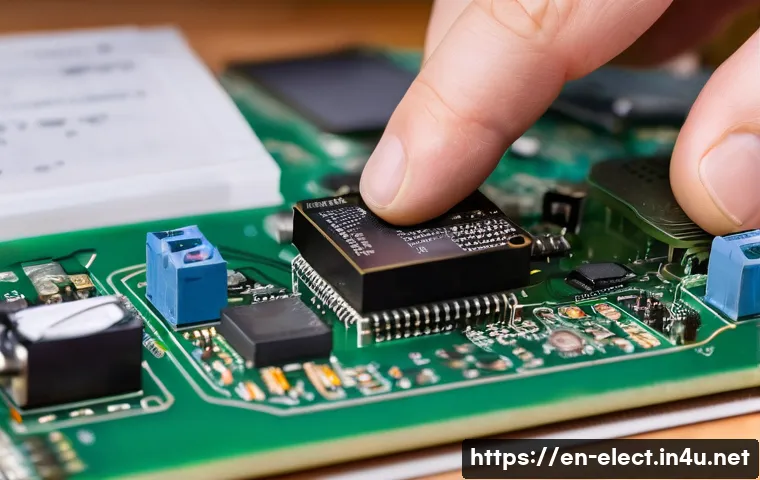
Breaking into the electronics industry can feel overwhelming with so many skills and qualifications to master. From understanding the latest hardware trends to honing your technical expertise, preparing thoroughly is key to standing out.
Whether you’re aiming for a role in design, testing, or repair, having a clear roadmap can make all the difference. I’ve gathered practical tips and essential checkpoints that helped me navigate this journey with confidence.
Let’s dive in and explore the must-have steps to boost your chances. Get ready—we’ll break it down clearly and precisely for you!
Mastering Core Technical Skills for Electronics Roles
Understanding Circuit Design and Analysis
Grasping the fundamentals of circuit design is a non-negotiable skill in the electronics industry. From basic resistor-capacitor networks to complex integrated circuits, knowing how components interact is crucial.
When I first started, I spent hours working with simulation software like SPICE to visualize circuit behavior, which made abstract concepts click. Getting comfortable with reading and creating schematics enables you to troubleshoot and innovate effectively.
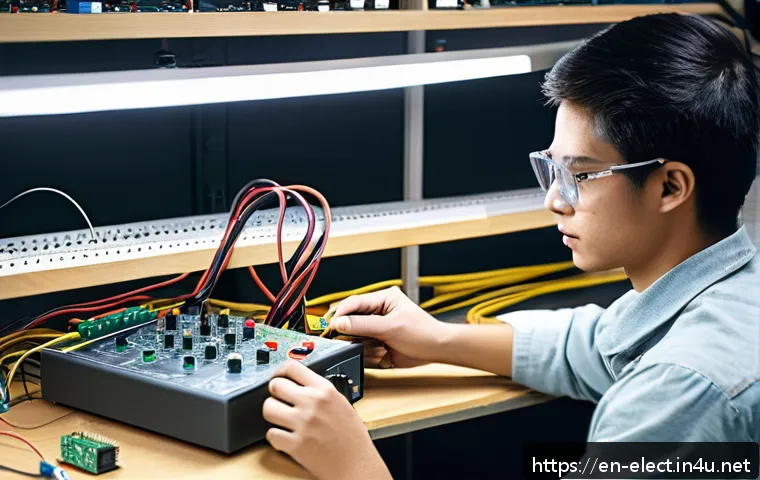
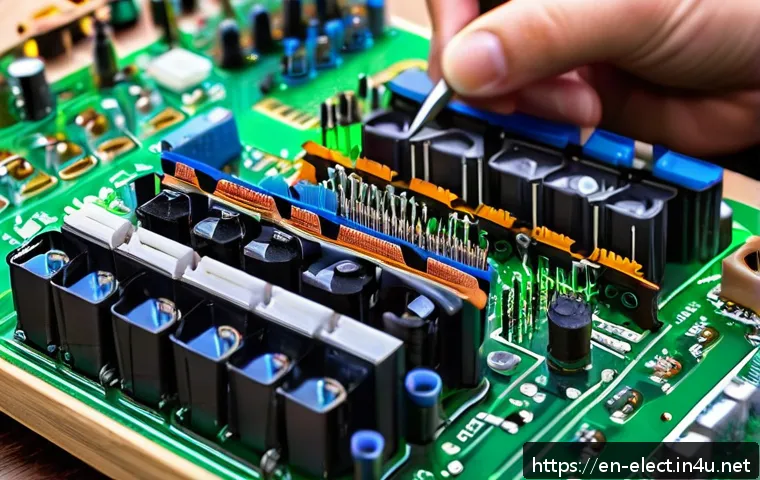
Plus, hands-on practice soldering and assembling boards builds muscle memory and confidence that theoretical study alone can’t provide.
Familiarity with Microcontrollers and Embedded Systems
Microcontrollers are the brains behind many electronic devices today, so understanding how to program and interface them is vital. I recommend starting with popular platforms like Arduino or Raspberry Pi, which have vast online communities and resources.
Experimenting with simple projects, such as controlling LEDs or sensors, can teach you how firmware interacts with hardware. Over time, diving into languages like C or C++ for embedded programming boosts your versatility and appeal to employers looking for developers who can bridge software and hardware seamlessly.
Proficiency in Testing and Diagnostic Tools
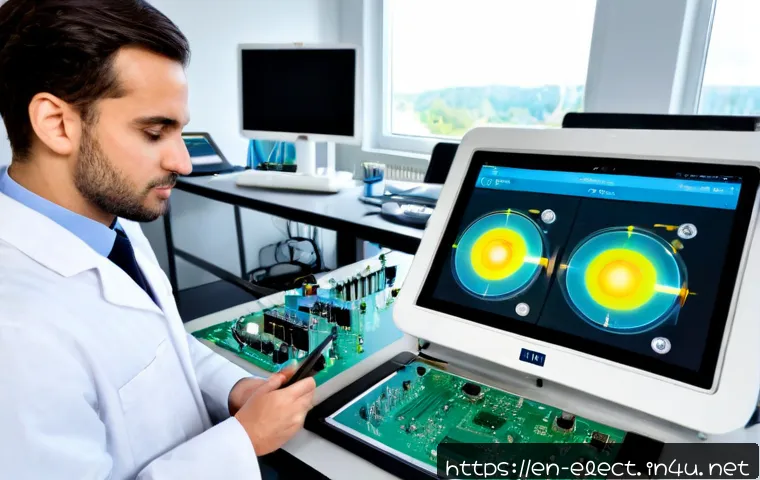
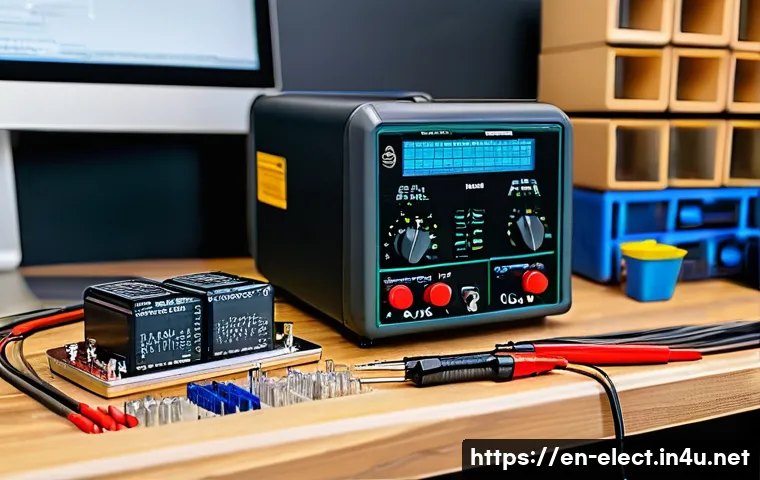
Being able to accurately test and diagnose electronics is a game-changer. Tools like multimeters, oscilloscopes, and logic analyzers are your best friends in this field.
Early on, I made it a point to practice measuring voltage, current, and signal waveforms regularly to develop an intuitive sense of what “normal” looks like.
This skill helps you quickly identify faults and avoid costly mistakes. Knowing how to interpret datasheets and test results will also improve your troubleshooting efficiency, which employers highly value.
Building a Strong Foundation in Electronics Theory
Delving into Semiconductor Physics
Understanding how semiconductors work gives you an edge when dealing with transistors, diodes, and ICs. I found that learning about electron flow, doping, and junctions helped me make sense of why components behave the way they do under different conditions.
This theoretical background supports better design choices and problem-solving. While it can seem dense, breaking down concepts into real-world examples—like how a diode controls current direction—makes the learning process more manageable and engaging.
Mastering Digital Electronics Concepts
Digital logic forms the backbone of modern electronics, from microprocessors to communication devices. Getting comfortable with binary arithmetic, logic gates, flip-flops, and counters is essential.
When I worked on a digital clock project, applying these concepts practically clarified their importance. Learning to design and analyze digital circuits not only sharpens your analytical thinking but also prepares you for roles that involve FPGA or ASIC development, which are highly sought after in the industry.
Grasping Signal Processing Basics
Signal processing is often overlooked but critical, especially in communications and audio electronics. I started by exploring analog signals and filters, then gradually moved to digital signal processing techniques.
Understanding how to manipulate and interpret signals improves your ability to optimize device performance and troubleshoot issues. This knowledge is particularly useful in roles focused on audio equipment, sensors, or wireless communications, where signal integrity can make or break a product.
Enhancing Your Practical Experience Through Projects
Hands-On Build and Repair Tasks
Nothing beats learning like rolling up your sleeves and building circuits from scratch or repairing devices. I recall fixing an old radio, which taught me about component identification and fault diagnosis in a way textbooks never could.
Even simple projects like assembling a power supply or creating a sensor-based alarm system provide invaluable insights into real-world challenges. Employers appreciate candidates who demonstrate practical skills because it shows you can apply theory effectively.
Documenting Your Work for Portfolio Development
Keeping a detailed record of your projects, challenges faced, and solutions found is a smart move. I kept a digital portfolio with schematics, code snippets, and photos, which proved invaluable during job interviews.
This documentation not only highlights your technical abilities but also shows your problem-solving process and dedication. Sharing your projects on platforms like GitHub or personal blogs can further enhance your professional visibility and attract potential recruiters.
Collaborating on Open Source and Community Projects
Getting involved in open source electronics projects or local maker groups can accelerate your learning curve. I joined online forums and contributed to collaborative hardware projects, which exposed me to diverse approaches and new technologies.
Such interactions help build your network and improve teamwork skills—qualities that companies highly value. Plus, working in a community setting often introduces you to cutting-edge trends before they hit mainstream markets.
Staying Updated with Industry Trends and Technologies
Following Emerging Hardware Innovations
The electronics landscape evolves rapidly, with advancements like flexible circuits, IoT devices, and AI integration reshaping the field. I make it a habit to read tech blogs, attend webinars, and watch product launches regularly.
Staying informed helps you anticipate which skills to develop next and positions you as a forward-thinking candidate. For example, gaining familiarity with IoT protocols or low-power design techniques can open doors to niche roles with higher demand.
Understanding Industry Standards and Certifications
Compliance with industry standards such as IPC or ISO can be a significant asset. Certifications demonstrate your commitment to quality and safety, which reassures employers and clients alike.
I pursued certifications like IPC-A-610 for electronics assembly, which not only boosted my knowledge but also improved my credibility. Knowing these standards can also enhance your ability to work in regulated sectors like aerospace, automotive, or medical electronics.
Leveraging Online Learning Platforms
Online courses and tutorials are excellent for continuous learning and skill refreshment. Platforms like Coursera, edX, and LinkedIn Learning offer specialized electronics courses taught by industry experts.
I found that enrolling in targeted classes helped me fill knowledge gaps and stay current without disrupting my work schedule. Many courses also provide certificates that you can showcase on your resume or LinkedIn profile, further enhancing your professional appeal.
Networking and Career Growth Strategies
Attending Industry Conferences and Meetups
Face-to-face interactions at industry events can be invaluable for building connections and learning about job opportunities. I attended local electronics expos and meetups, which allowed me to meet professionals, recruiters, and thought leaders.
These gatherings often feature workshops and panels that deepen your understanding of current challenges and innovations. The relationships you build here can lead to mentorships or referrals that accelerate your career.
Utilizing Social Media for Professional Branding
Social platforms like LinkedIn and Twitter are powerful tools for showcasing your expertise and engaging with the electronics community. I actively share my projects, insights, and industry news, which helped me grow a network of like-minded professionals.
Engaging in discussions and contributing meaningful content positions you as a knowledgeable and approachable candidate. Recruiters often scout social media to find talent, so maintaining an active presence can boost your visibility.
Preparing for Interviews with Real-World Examples
Interviewers value candidates who can relate their skills to tangible experiences. I prepared by reflecting on past projects and challenges, framing my responses around specific problems I solved or innovations I contributed to.
Practicing technical questions and whiteboard exercises also sharpened my problem-solving under pressure. This approach not only builds confidence but also demonstrates your practical readiness and communication skills during interviews.
Key Certifications and Educational Pathways to Consider
Formal Education Options
While not always mandatory, a degree in electrical engineering, electronics technology, or a related field provides a strong theoretical foundation. I found that courses covering analog/digital electronics, electromagnetics, and signal processing were particularly beneficial.
If returning to school full-time isn’t feasible, many institutions offer part-time or online degree programs tailored for working professionals, enabling you to balance education with work.
Industry-Recognized Certifications
Certifications can validate your skills and differentiate you from other candidates. Beyond IPC standards, certifications like Certified Electronics Technician (CET) or CompTIA A+ are widely recognized.
I personally earned the CET credential, which gave me a competitive edge when applying for technician roles. These certifications often require passing exams that test both theoretical knowledge and practical skills, so thorough preparation is essential.
Technical Workshops and Bootcamps
Short-term, intensive training programs focused on specific skills can accelerate your readiness. I participated in bootcamps that covered PCB design and embedded systems programming, which condensed months of learning into a few weeks.
These workshops often include hands-on labs and mentorship, providing immediate feedback and skill reinforcement. They’re also great for networking with peers and instructors who are active in the industry.
Organizing Your Job Search and Application Materials
Crafting a Targeted Resume and Cover Letter
Tailoring your resume to highlight relevant electronics skills and projects is crucial. I recommend focusing on accomplishments rather than just duties, quantifying results whenever possible.
For example, mentioning how you improved circuit efficiency or reduced testing time catches attention. Your cover letter should complement your resume by telling a story about your passion for electronics and how your background aligns with the company’s needs.
Preparing a Portfolio of Work Samples
Including a portfolio with schematics, code, photos, or videos of your projects can set you apart. I created an online portfolio using a simple website builder, making it easy to share during applications or interviews.
This visual evidence of your capabilities often sparks deeper conversations and shows that you’re proactive and proud of your work. Keep updating your portfolio regularly as you complete new projects.
Organizing Job Alerts and Networking Follow-Ups
Using job alert services on platforms like Indeed, Glassdoor, and LinkedIn keeps you informed about openings matching your criteria. I set daily alerts for roles with keywords like “electronics technician” or “embedded systems engineer.” Additionally, maintaining a spreadsheet or app to track applications, contacts, and follow-up dates helped me stay organized and persistent.
Consistency in follow-ups often makes the difference between landing an interview or getting overlooked.
Essential Tools and Resources to Equip Yourself
Software and Simulation Tools
Familiarity with design and simulation software significantly enhances your productivity. I regularly use tools like KiCad for PCB design, LTspice for circuit simulation, and MATLAB for signal processing tasks.
These tools not only help validate your designs before physical prototyping but also improve your understanding of complex behaviors. Learning to leverage these programs can speed up development cycles and reduce costly errors.
Hardware Kits and Starter Components
Investing in beginner-friendly kits can accelerate your hands-on learning. I started with kits that included microcontrollers, sensors, and basic components, allowing me to experiment with a variety of circuits without needing to source parts individually.
Having a well-stocked electronics workbench with essential tools like a soldering iron, wire strippers, and a multimeter makes tackling projects more enjoyable and efficient.
Online Communities and Learning Forums
Engaging with communities such as Stack Exchange, Reddit’s r/electronics, or specialized Discord servers provides support and inspiration. I often turn to these forums when stuck or seeking advice on best practices.
Participating actively not only helps solve immediate problems but also deepens your knowledge through discussions. These communities can also alert you to job openings and industry news, keeping you connected to the pulse of electronics development.
| Skill Area | Recommended Tools/Resources | Why It Matters |
|---|---|---|
| Circuit Design | SPICE simulators, KiCad, Eagle CAD | Enables creation and testing of reliable electronic circuits before physical assembly |
| Embedded Systems | Arduino, Raspberry Pi, C/C++ compilers | Bridges hardware with software, crucial for modern device functionality |
| Testing & Diagnostics | Multimeter, Oscilloscope, Logic Analyzer | Essential for fault detection and ensuring device performance |
| Learning & Certification | Coursera, edX, IPC-A-610 Certification, CET | Validates knowledge and skills, increasing employability |
| Networking | LinkedIn, Industry Meetups, GitHub | Builds professional connections and showcases your expertise |
Conclusion
Mastering core technical skills in electronics requires a blend of theoretical knowledge and practical experience. Through continuous learning, hands-on projects, and staying updated with industry trends, you can build a strong foundation that sets you apart. Embracing collaboration and certification opportunities further enhances your career prospects in this dynamic field.
Useful Information to Keep in Mind
1. Consistent practice with simulation and diagnostic tools deepens your understanding and sharpens troubleshooting skills.
2. Building and documenting your projects not only improves your abilities but also creates a compelling portfolio for employers.
3. Engaging with online communities and attending industry events accelerates learning and expands your professional network.
4. Pursuing relevant certifications validates your expertise and increases credibility in competitive job markets.
5. Leveraging online learning platforms allows flexible skill development and helps you stay current with emerging technologies.
Key Takeaways
Developing proficiency in circuit design, embedded systems, and testing tools is essential for success in electronics roles. Combining practical experience with a solid grasp of electronics theory enhances problem-solving abilities. Staying informed about industry trends and obtaining certifications demonstrates commitment and professionalism. Building a strong network and maintaining an organized job search strategy can open doors to rewarding career opportunities. Ultimately, a balanced approach to learning, hands-on work, and professional growth creates a pathway to long-term success in the electronics industry.
Frequently Asked Questions (FAQ) 📖
Q: What are the most important skills to develop when starting a career in the electronics industry?
A: From my experience, focusing on both foundational and current technical skills is crucial. Understanding circuit design, soldering techniques, and reading schematics lays the groundwork.
On top of that, staying updated with the latest hardware trends like IoT devices or embedded systems really sets you apart. Practical hands-on experience, whether through internships or personal projects, helps you apply what you learn and builds confidence.
Q: How can I stand out to employers if I’m new and lack extensive work experience in electronics?
A: This is a common challenge, but it’s definitely manageable. Building a portfolio of projects, even small ones, demonstrates your initiative and skills better than a resume alone.
Try to get certifications relevant to your field, like IPC soldering or specific software tools. Networking through industry events or online communities also opens doors.
I found that showing eagerness to learn and solve problems during interviews makes a lasting impression.
Q: What’s the best way to keep up with rapidly changing technology in the electronics field?
A: Honestly, it can be overwhelming, but creating a routine helps. I subscribe to industry newsletters, follow key influencers on social media, and dedicate time each week to read articles or watch tutorials on new technologies.
Hands-on experimentation with new components or kits also reinforces learning. Engaging with forums and discussion groups gives you real-world insights and practical tips that textbooks might miss.