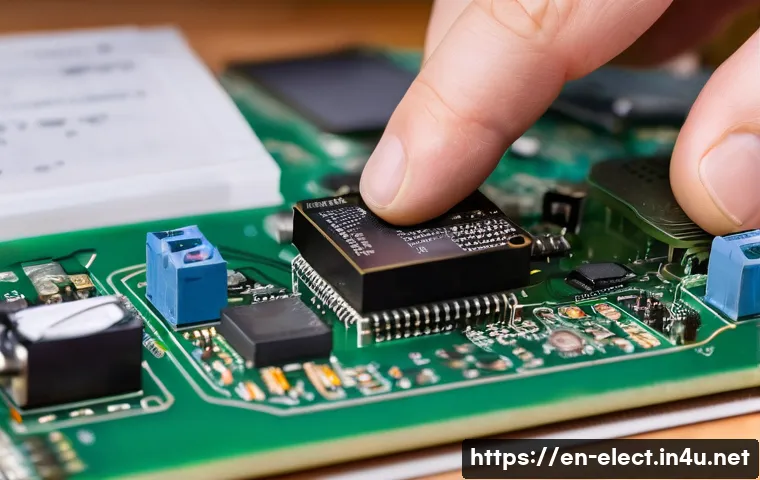
In today’s rapidly evolving tech landscape, staying ahead means choosing the right education path, especially in electronics. With new innovations emerging daily, the demand for skilled professionals is higher than ever.
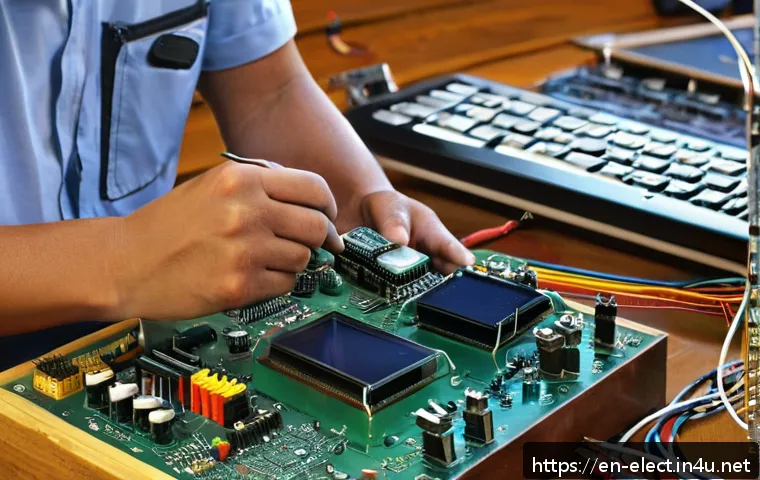
If you’re aiming to build a rewarding career, selecting the perfect electronics course is a crucial first step. I’ve explored various programs myself, and I’m excited to share insights that can help you make an informed decision.
Let’s dive into how you can unlock your future by picking courses that truly set you up for success.
Decoding Core Electronics Concepts for Lasting Success
Understanding Circuit Fundamentals
Grasping the basics of circuits is the bedrock of any electronics education. When I first took a course focusing on circuit theory, it was eye-opening how essential it was to comprehend voltage, current, and resistance relationships.
These concepts aren’t just academic; they directly apply to everything from designing a simple LED circuit to troubleshooting complex systems. The clarity you gain here will make advanced topics feel less intimidating and give you confidence when working hands-on.
The Power of Semiconductor Devices
Semiconductors are the heart of modern electronics, yet many courses skim over their practical applications. From my experience, dedicating time to learn about diodes, transistors, and integrated circuits pays off immensely.
These components are everywhere—in smartphones, computers, and even your home appliances. Courses that blend theory with labs where you actually build and test circuits using these devices helped me connect the dots between textbook knowledge and real-world electronics.
Mastering Signal Processing Basics
Signal processing might sound complex, but it’s a critical skill for anyone serious about electronics. Early on, I struggled with the theory, but once I started applying concepts like filtering and modulation in projects, everything clicked.
Look for courses that integrate software tools and hardware experimentation to practice these skills. This hands-on approach makes abstract ideas tangible and prepares you for roles in communications, audio engineering, and more.
Choosing Courses That Balance Theory and Practice
Why Hands-On Experience Matters More Than Ever
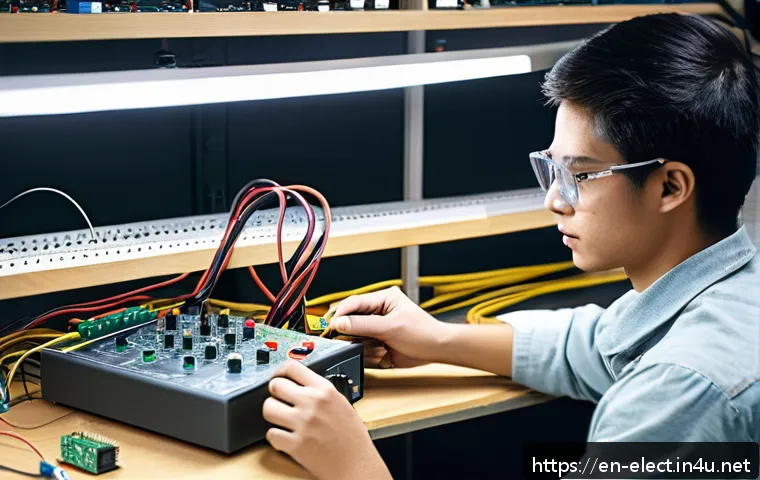
A course packed with lectures alone can leave you feeling unprepared when it comes to actual device handling. When I enrolled in programs that emphasized lab work and real-world projects, my understanding deepened significantly.
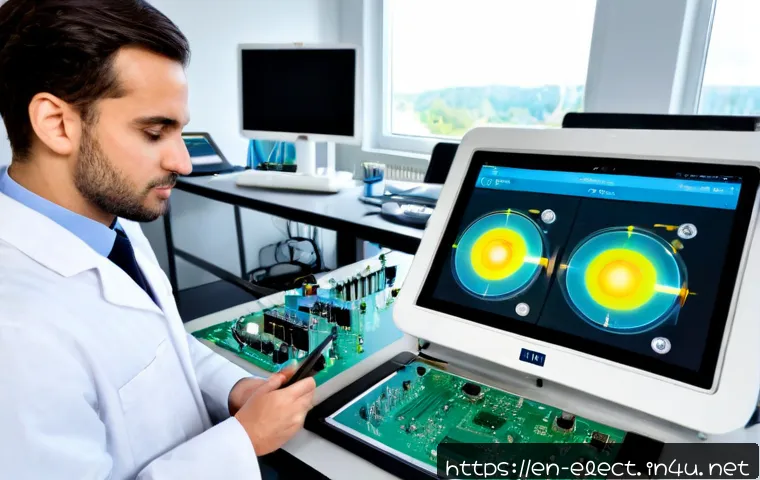
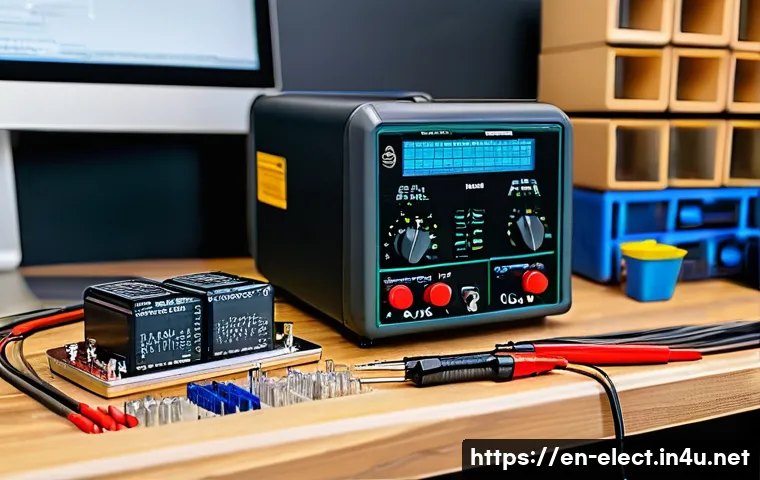
Being able to solder components, test circuits, and use diagnostic tools like oscilloscopes made a huge difference in my readiness for professional challenges.
Evaluating Course Projects and Internships
The best programs I’ve found include capstone projects or internships, giving you a chance to work on real electronics problems. These experiences simulate workplace environments, teaching you teamwork, problem-solving, and deadline management.
If you’re deciding between courses, prioritize those that offer these opportunities, as they’ll boost both your skills and resume credibility.
Balancing Academic Rigor With Accessibility
Courses that strike a balance between challenging content and approachable teaching styles stand out. I recall feeling overwhelmed in classes that moved too fast or assumed too much prior knowledge.
The ideal program provides clear explanations, ample support, and resources like tutoring or study groups. This balance ensures you stay motivated and avoid burnout.
Leveraging Emerging Technologies in Electronics Education
Incorporating IoT and Embedded Systems
The Internet of Things (IoT) is transforming electronics, and courses that integrate these topics position you well for future roles. When I took a class with a focus on embedded systems, I was amazed at how devices communicate and interact seamlessly.
Programs that teach microcontroller programming and sensor integration are particularly valuable, as these skills are in high demand.
Exploring Renewable Energy Electronics
With sustainability becoming a priority worldwide, electronics related to renewable energy are booming. I found that courses covering solar power systems, battery management, and energy-efficient circuit design opened new career pathways.
Choosing a program that highlights green technology gives you a competitive edge and aligns with global trends.
Adapting to AI and Machine Learning in Electronics
AI and machine learning are not just buzzwords; they’re increasingly embedded in electronic device design and diagnostics. Some forward-thinking courses now incorporate basics of AI algorithms and their application in electronics.
Even if you’re not aiming to become a data scientist, understanding how AI enhances device functionality and predictive maintenance is a powerful asset.
How to Assess Course Quality and Credibility
Checking Accreditation and Industry Recognition
Accreditation ensures that the program meets established educational standards. When I researched courses, I always looked for recognized accreditation bodies and affiliations with industry leaders.
This validation often correlates with up-to-date curricula and better job placement rates. Additionally, courses endorsed or partnered with companies often provide networking opportunities and practical insights.
Reading Student Reviews and Alumni Success Stories
First-hand accounts from former students can reveal much about course strengths and weaknesses. I found that alumni testimonials and reviews on forums helped me gauge how the course impacted their careers.
Look for mentions of instructor accessibility, course content relevance, and how well the program prepared them for the workforce.
Evaluating Faculty Expertise and Support
Experienced instructors who have worked in the electronics industry bring invaluable perspectives. During my studies, professors who shared personal projects and industry experiences made lessons more relatable and inspiring.
Also, consider the availability of academic support—mentorship, office hours, and career counseling can significantly enhance your learning journey.
Practical Tools and Resources to Boost Your Learning
Utilizing Simulation Software
Simulation tools like SPICE or MATLAB allow you to design and test circuits virtually, saving time and resources. I found that courses incorporating these tools helped me experiment freely and understand circuit behavior before physical assembly.

These simulations bridge theory and practice effectively, especially when lab access is limited.
Accessing Online Tutorials and Forums
No matter how comprehensive a course is, supplementing your learning with online resources is invaluable. Platforms like YouTube, electronics blogs, and forums such as Stack Exchange provide diverse perspectives and solutions to tricky problems.
Engaging with these communities also helped me stay motivated and connected with peers.
Building a Personal Electronics Kit
Hands-on practice is essential, and assembling your own electronics toolkit can accelerate learning. Starting with basics like breadboards, resistors, and sensors, I gradually expanded my collection as projects grew more complex.
Having your own kit encourages experimentation anytime and makes abstract concepts tangible.
Mapping Career Paths Based on Electronics Specializations
Embedded Systems Engineer
If you enjoy programming and hardware, embedded systems engineering offers a rewarding path. This role involves designing microcontroller-based devices found in everything from medical equipment to automotive systems.
Courses emphasizing C/C++ programming, real-time operating systems, and hardware interfacing prepare you well here.
Electronics Design and Testing
Designing new electronic circuits and ensuring their reliability through rigorous testing is a core specialty. I gravitated toward courses with a strong focus on PCB design software and signal integrity analysis, which are crucial skills in this field.
Careers in this area often involve working closely with manufacturing teams and quality assurance.
Field Service and Maintenance Technician
For those who prefer hands-on troubleshooting and repair, becoming a field technician can be fulfilling. This role requires broad knowledge of electronic devices and excellent problem-solving abilities.
Training programs that include practical diagnostics, equipment calibration, and customer interaction skills are ideal for this path.
| Specialization | Key Skills | Recommended Course Focus | Typical Career Outcomes |
|---|---|---|---|
| Embedded Systems Engineer | Microcontroller programming, hardware interfacing, RTOS | Embedded programming, real-time systems, IoT integration | Firmware developer, IoT device engineer, automation specialist |
| Electronics Design and Testing | PCB design, circuit simulation, signal integrity | Advanced circuit design, CAD tools, quality assurance | Hardware designer, test engineer, product development |
| Field Service Technician | Diagnostics, repair skills, customer communication | Practical electronics repair, troubleshooting, safety protocols | Maintenance technician, field engineer, support specialist |
Strategies to Stay Updated in a Fast-Changing Field
Continuous Learning Through Workshops and Certifications
Electronics technology evolves rapidly, so ongoing education is a must. I’ve personally benefited from attending workshops and earning certifications in emerging areas like 5G communications and power electronics.
These short-term programs often offer focused knowledge and help keep your skills sharp between major courses.
Following Industry Trends and Publications
Subscribing to electronics magazines, blogs, and podcasts keeps you in the loop about new innovations and market demands. I make it a habit to read monthly updates from reputable sources, which often highlight breakthrough technologies and career advice.
Staying informed helps you anticipate changes and adapt your learning accordingly.
Networking With Professionals and Alumni
Building relationships with industry insiders and former classmates has been invaluable for me. Networking events, online groups, and professional associations provide insights and sometimes job leads you won’t find elsewhere.
Engaging with a community of like-minded electronics enthusiasts fosters collaboration and continuous motivation.
In Conclusion
Understanding core electronics concepts lays a solid foundation for a successful career in this ever-evolving field. Balancing theory with practical experience and staying current with emerging technologies will empower you to tackle real-world challenges confidently. Remember, continuous learning and hands-on practice are key to turning knowledge into expertise. Embrace curiosity and keep exploring to unlock your full potential.
Useful Information to Keep in Mind
1. Hands-on experience is crucial—lab work and real projects deepen understanding beyond textbooks.
2. Look for courses offering internships or capstone projects to gain practical skills and workplace readiness.
3. Emerging fields like IoT, renewable energy, and AI integration are shaping the future of electronics careers.
4. Utilize simulation software and online communities to supplement formal education and solve complex problems.
5. Networking and staying updated with industry trends help maintain relevance and open career opportunities.
Key Takeaways
Choosing the right electronics course means finding a balance between solid theoretical foundations and ample practical applications. Prioritize programs with accredited credentials and strong industry connections to ensure quality and job prospects. Continuously build your skillset through workshops, certifications, and active engagement with professional communities. Finally, developing a personalized toolkit and embracing hands-on experimentation will significantly accelerate your learning journey and career growth.
Frequently Asked Questions (FAQ) 📖
Q: What should I consider when choosing an electronics course to ensure it fits my career goals?
A: When selecting an electronics course, it’s essential to align the curriculum with your long-term career aspirations. Look for programs that offer hands-on experience, up-to-date technology training, and cover emerging fields like IoT, embedded systems, or renewable energy electronics.
Also, check if the course provides industry certifications or internship opportunities, as these can significantly boost your employability. From my experience, courses that balance theory with practical projects helped me grasp real-world applications much better.
Q: Are online electronics courses as effective as traditional in-person classes?
A: Online electronics courses can be just as effective, provided they include interactive components like virtual labs, real-time Q&A sessions, and project-based learning.
I tried a few online courses that offered live demonstrations and community forums, which made a big difference in staying engaged and understanding complex concepts.
However, if you thrive on direct mentorship and physical lab work, in-person courses might suit you better. Ultimately, it depends on your learning style and the quality of the course content.
Q: How can I stay updated with the latest trends and technologies in electronics after completing a course?
A: Staying current in electronics requires continuous learning beyond formal education. Subscribe to industry newsletters, join professional groups on platforms like LinkedIn, and follow tech blogs and podcasts that focus on electronics innovation.
Attending webinars, workshops, and tech conferences can also provide valuable insights and networking opportunities. Personally, I found that engaging with a community of professionals helped me stay motivated and informed about cutting-edge developments.