International electronics jobs are most accessible when your skills match local demand, licensing rules, and work authorization options. Compare roles, employer sponsorship, relocation packages, certifications, and total cost before applying abroad.

International electronics careers are most realistic when your technical skills are portable, the employer is verified, and the work-visa route is clear before you apply. Embedded systems, hardware testing, manufacturing engineering, and semiconductor-related work can travel more easily than safety-sensitive electrical roles that may need local approval. The best offer is rarely the one with the highest base salary alone. Compare immigration support, insurance, housing help, travel reimbursement, taxes, and long-term career value before committing. Job platforms, credential evaluation services, technical certification training, and relocation providers can be useful when they solve a specific gap in your application. The key is to confirm what the employer actually provides rather than assuming sponsorship or relocation coverage is included.
At a Glance
- Fastest route: apply for roles built around transferable skills, such as embedded software, hardware testing, quality assurance, and manufacturing processes.
- Safer route: focus on verified employers that clearly explain work authorization, interview stages, and employment conditions.
- Better comparison: assess visa support, insurance, housing, taxes, and career progression alongside the stated salary.
| Job Type | Local Licensing Exposure | Visa and Relocation Considerations | Best Fit |
|---|---|---|---|
| Embedded systems and firmware | Usually lower, depending on the work setting | Ask whether the employer sponsors the visa and covers legal processing | Engineers with code samples, hardware integration work, and technical portfolios |
| Hardware design and test engineering | Often lower for product-focused roles | Compare equipment access, onboarding support, and relocation assistance | Applicants with schematic, validation, lab, or test experience |
| Manufacturing and semiconductor operations | May vary by site safety rules and responsibilities | Confirm shift terms, health insurance, housing support, and travel reimbursement | Process, production, quality, and equipment specialists |
| Field service, repair, and electrical work | Potentially higher where safety-sensitive work is regulated | Check qualification recognition, supervised practice, and local license requirements | Technicians prepared to meet local approval or training requirements |
The Best International Paths for Electronics Professionals
Roles That Commonly Transfer Across Borders
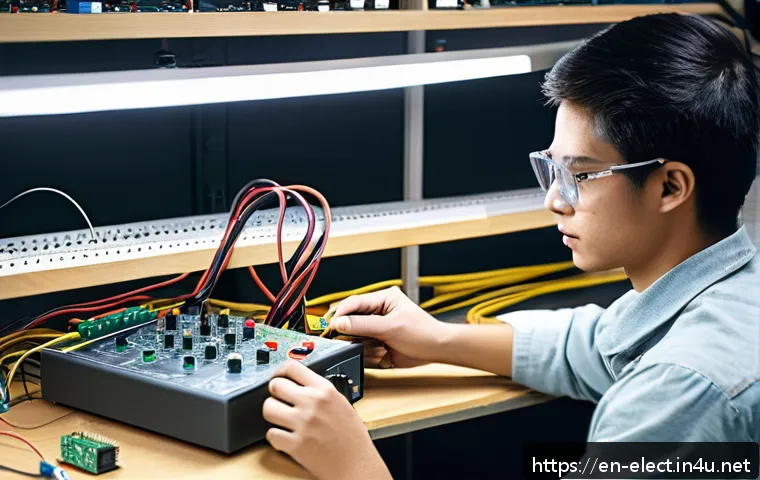
Roles connected to product development and technical processes can be strong starting points for an international move. These may include hardware design, embedded systems, testing, quality assurance, manufacturing engineering, and semiconductor operations. Employers in these areas often focus on what you can demonstrate: equipment experience, a technical portfolio, practical interview performance, and role-specific certifications.
A candidate who can explain how they tested a board, identified a fault, supported a production process, or worked with firmware has clearer evidence than someone who lists broad skills only. This does not mean every role has the same requirements. A destination, employer, and job type may still affect work authorization and language expectations.
Roles That May Require Local Licensing or Safety Approval
Electrical work connected to safety-sensitive installations or independent practice may require local licensing, recognized qualifications, or supervised practice. Do not assume that a degree, technician certificate, or prior work history will automatically be accepted in another country.
Before applying, ask whether the job involves regulated electrical tasks and whether you can work under supervision while your credentials are reviewed. A credential evaluation service or technical certification program may be worth considering when an employer identifies a specific recognition gap. Paying for broad training without a clear job requirement is harder to justify.
What Employers Usually Want to Verify Before Hiring
International employers may verify education, professional credentials, employment history, background information, and language ability. Electronics employers can also assess practical readiness through technical interviews, portfolios, equipment familiarity, or certifications relevant to the role.
Prepare clean copies of your degree, certificates, work history, and relevant project evidence. Keep a version of your CV that clearly separates design, testing, manufacturing, repair, and software responsibilities. This makes it easier for a recruiter or hiring manager to match your experience to the opening.
Compare Destinations and Job Offers Beyond Base Salary
Salary, Tax, Housing, Healthcare, and Relocation Package
A larger salary can look attractive but may not be the stronger offer after housing, tax obligations, insurance, and moving costs are considered. The exact tax burden, healthcare coverage, housing cost, and relocation allowance must be confirmed for the specific location and contract.
Review the offer as a total employment value package. Look for written details on health insurance, temporary housing, travel reimbursement, shipping support, and any help with settling into the destination. If benefits are described vaguely, ask for clarification before accepting.
Employer-Sponsored Visa Support Versus Self-Funded Applications
Employer sponsorship can be valuable because work authorization requirements may depend on the destination, nationality, salary level, employer, and job type. Some employers offer immigration legal support, while others expect candidates to manage all or part of the process themselves.
A self-funded route is not automatically unsuitable, but it creates more questions. Confirm whether the employer supports the application after hiring, whether dependent visas are available if needed, and what happens if authorization is delayed or denied. Never treat a verbal promise as a replacement for written contract terms.
A Practical Offer-Comparison Table
| Question to Compare | Why It Matters |
|---|---|
| Who handles work-visa paperwork and legal support? | It clarifies responsibility for a process that varies by destination and employer. |
| What relocation costs are covered? | Coverage may differ for travel, housing assistance, and reimbursement timing. |
| What insurance is included? | Health coverage can change the practical value of an offer. |
| Is local licensing needed before independent work? | This can affect your start date, duties, and training plan. |
| What is the career path after arrival? | A role with stronger technical growth may be more valuable than a higher initial salary. |
Build an Application That Proves Technical Readiness
Documenting Hardware, Firmware, Testing, and Manufacturing Experience
Make technical evidence easy to review. Describe the equipment, process, product stage, or testing responsibility involved in your work. For example, explain whether you supported hardware validation, firmware integration, quality checks, field service, repair diagnostics, or manufacturing equipment.
A portfolio does not need to reveal confidential employer information. It can show your problem-solving approach, approved project samples, relevant tools, lab methods, or the type of systems you have worked on. Employers often use this evidence to assess practical fit.
Certifications, Degree Evaluation, and Language Requirements
Check whether the opening asks for a certification, qualification evaluation, or language ability. These requirements can vary by employer and country. If a job is a serious target, a paid credential evaluation or certification course may help you address a stated requirement. If it is not required, compare the cost against the realistic benefit before enrolling.
Tailoring a CV and Portfolio for International Employers
Use a clear CV that matches the language of the job description. Put your most relevant electronics skills near the top, then support them with project outcomes and equipment experience. Avoid claiming authority for regulated work if you do not hold the required local approval.
International job platforms can help you find openings, but the application itself should be tailored. A manufacturing employer may prioritize process and quality experience, while a product team may focus on embedded, hardware, or test capability.
Apply Safely and Avoid Costly Recruitment Mistakes

How to Verify an Employer and Job Posting
Use the employer’s official channels to confirm that a vacancy exists. Check whether the recruiter uses an official company email address and whether the role description includes meaningful duties, requirements, and location details. Ask direct questions about the interview process, work authorization, and contract.
Warning Signs of Recruitment and Visa Scams
Be cautious when a recruiter requests upfront payment, provides a vague job description, uses an unofficial email address, or pressures you to share identity documents too early. A legitimate hiring process can still require documents, but the timing, reason, and recipient should be clear.
Do not let urgency replace verification. An unclear offer is a reason to pause, not a reason to send money or sensitive documents.
Questions to Ask Before Paying for Training or Relocation Services
Ask what service is being provided, whether it is required for your target role, and whether the employer has requested it. Confirm cancellation terms, document handling procedures, and whether the provider explains its scope in writing. Professional relocation support can be useful, but it should address a real move-related need rather than promise a job or visa outcome.
Choose the Right Route for Your Career Stage
Early-Career Technicians and Graduates
Early-career candidates can improve their chances by presenting practical training, lab work, repair experience, production exposure, or relevant projects. Focus on roles where duties are clearly defined and where the employer explains onboarding, supervision, and authorization support.
Experienced Engineers and Technical Specialists
Experienced candidates should emphasize specialized value: embedded development, validation methods, semiconductor equipment, quality systems, field diagnostics, or manufacturing improvement work. Your strongest leverage is often a documented technical track record combined with a clear explanation of how it applies to the employer’s operation.
Candidates Moving With a Partner or Family
For a household move, an offer needs closer review. Confirm whether the employer provides any support beyond the employee, and verify dependent visa options, insurance scope, housing assistance, and timing. These details cannot be assumed from the job title or salary.
Selection Criteria and Comparison Summary
Before accepting an international electronics role, compare visa responsibility, local licensing exposure, relocation coverage, insurance, housing implications, and career progression. Check that the job description matches your actual technical background and that the employer can explain its hiring and work-authorization process. A higher salary may be less attractive if you must carry major relocation costs or face unclear approval requirements. For credential evaluation, technical certification training, visa legal support, or relocation services, review the official scope and conditions on the relevant provider’s page before paying.
In Closing
International electronics work can be a practical career step when the role fits your skills and the move is properly supported. Start with portable technical strengths, then verify licensing, work authorization, and employer credibility. Compare the complete offer rather than reacting to salary alone. Careful document preparation and direct questions can prevent expensive surprises later.
Useful Information to Know
1. Keep credential documents and employment records organized before applying.
2. Build a portfolio around practical evidence, not just a list of skills.
3. Treat visa, insurance, and housing details as separate items to verify.
4. Use caution with any recruiter who asks for money or sensitive documents too early.
Important Considerations
Visa eligibility, qualification recognition, licensing rules, salary, taxes, healthcare coverage, housing costs, and dependent visa availability depend on the destination, employer, and individual circumstances. Confirm these points with the employer and appropriate official or qualified sources before making financial commitments or relocation decisions.
Frequently Asked Questions
Q1. Which electronics jobs are easiest to take abroad?
A1. Roles involving embedded systems, hardware testing, manufacturing engineering, quality assurance, and semiconductor operations may be more portable because employers can often evaluate practical skills through portfolios, interviews, equipment experience, and certifications. Requirements still vary by destination and employer.
Q2. Do electronics technicians need a local license to work in another country?
A2. It depends on the duties and local rules. Safety-sensitive electrical work may require local licensing, supervised practice, or recognition of qualifications before independent work is permitted. Ask the employer whether the position involves regulated work.
Q3. Is employer visa sponsorship more valuable than a higher salary without relocation support?
A3. It can be, because visa legal support, relocation coverage, insurance, housing assistance, and travel reimbursement may substantially affect the overall value and risk of an offer. Compare the full contract terms rather than salary alone.