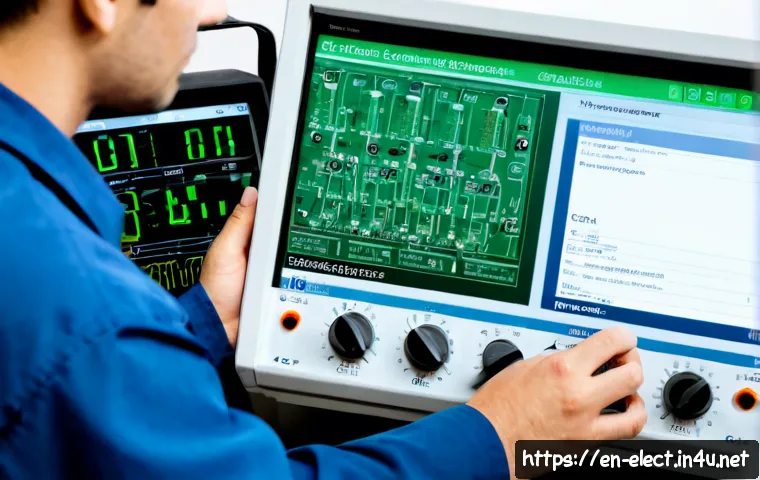
The best additional certification is the one that matches the equipment you expect to handle, not simply the best-known name. IPC-focused training fits assembly and soldering work, general electronics credentials support technician foundations, and manufacturer training can be stronger for specialized equipment.
For repair or field service, prioritize programs that include troubleshooting practice and real test-equipment use. For industrial, RF, fiber, or wireless work, look for a pathway that directly reflects those systems.
Before paying an exam fee or course price, compare lab access, assessment format, renewal rules, and the credentials named in local job listings. A certificate can support hiring and training discussions, but employers also look for safe, documented hands-on ability.
At a Glance
- Assembly and soldering: IPC-focused certification is closely associated with electronics assembly, inspection, cable, and wire harness work.
- Repair and support: General electronics credentials and practical troubleshooting experience are usually a better fit than an assembly-only credential.
- Specialized equipment: For automation, RF, wireless, or a specific service platform, choose training that matches the actual equipment used in the target role.
| Certification Path | Best Job Fit | Practical Training Question | Cost Planning Focus | Employer Recognition Question |
|---|---|---|---|---|
| IPC-focused training | Electronics assembly, soldering, inspection, cable and wire harness work | Does the course include supervised soldering, rework, and inspection practice? | Course access, lab materials, exam, retakes, and renewal requirements | Do local assembly or quality roles specifically request IPC knowledge? |
| General electronics credentials | Entry-level technician work, diagnostics, repair foundations | Is there meaningful hands-on measurement and fault-isolation work? | Training provider fees, lab access, tools, exam fees, and travel | Does the employer use the credential as evidence of technician fundamentals? |
| CompTIA A+ | Entry-level IT support and hardware troubleshooting | Does the training cover the hardware support tasks in the job description? | Exam and study costs, plus possible retake costs | Is the position primarily IT support rather than specialized electronics repair? |
| ETA or manufacturer-specific training | RF, wireless, fiber optics, industrial platforms, instruments, or field service ecosystems | Can you train on the relevant technology or equipment family? | Provider pricing, equipment access, travel, and recertification | Does the employer name a particular platform, vendor, or technical specialty? |
The Short Answer: Choose Credentials That Match the Equipment You Will Actually Handle
A certification is most useful when it signals readiness for the work you want next. Start with the job task: building boards, inspecting solder joints, diagnosing hardware faults, supporting computers, servicing equipment in the field, or working with RF and communications systems. A broad credential can be a good starting point, but it may not answer an employer’s need for a very specific skill set.
Assembly and Soldering Work
For electronics assembly, soldering, inspection, and cable or wire harness work, IPC certification programs are widely associated with relevant standards and processes. This makes an IPC-focused course worth investigating when job listings mention assembly quality, inspection, soldering, or harness work.
Do not assume every course offers the same amount of bench time. Ask whether the training includes hands-on practice, how assessment is completed, and whether you will work with the materials and documentation used in production settings. A certificate is more persuasive when you can also explain your practical process and quality checks.
Repair, Diagnostics, and Field Service
Repair and field service jobs often require a different mix: measurement, documentation, structured troubleshooting, and clear fault isolation. A general electronics credential, including a Certified Electronics Technician path through the Electronics Technicians Association, can support foundational technical knowledge. The value depends on whether the course also helps you practice the kind of diagnostics required by the target role.
For field service, read the job description carefully. Some employers need a technician who can follow a service procedure on one equipment family; others need someone who can investigate an unfamiliar failure safely. Those are related, but not identical, training needs.
Industrial Controls, RF, and Communications Equipment
Industrial and communications work becomes more specialized quickly. ETA International offers certifications in areas including electronics, fiber optics, RF, and wireless technologies. If your target work involves one of those areas, a focused pathway may be more relevant than a generic certificate.
Manufacturer-specific training can also be useful for a particular automation platform, test instrument family, or service ecosystem. Before enrolling, confirm that the platform appears in local job postings or is used by your current employer. Specialized training is strongest when it connects directly to equipment you will actually operate or service.
Compare Certification Paths by Job Relevance, Practical Training, and Total Cost
The lowest exam fee does not always produce the lowest total cost. A realistic comparison includes the training provider, lab access, tools, study materials, testing, possible retakes, travel, and any future renewal or continuing education requirements.
IPC-Focused Training for Assembly and Inspection Roles
IPC-focused training is a practical comparison point for people targeting production, assembly, soldering, or inspection work. Its relevance is clearest when the work involves documented workmanship requirements and repeatable quality processes. Check whether the provider offers the specific training level or focus that matches your intended task.
When comparing training providers, look beyond the course title. Lab time, instructor feedback, assessment method, and access to materials can matter as much as the certificate itself.
General Electronics Credentials for Technician Foundations
General electronics credentials can help a student, career changer, or entry-level applicant show a commitment to technical foundations. CET credentials are available through the Electronics Technicians Association and may cover associate-level and specialized knowledge. They can be useful when you need a broader technician base before narrowing into a specialty.
The main caution is fit. A broad credential may not replace evidence of soldering skill, RF knowledge, industrial controls experience, or familiarity with a particular service environment.
IT Hardware, Networking, and Vendor-Specific Pathways
CompTIA A+ is commonly recognized for entry-level IT support and hardware troubleshooting roles. It can make sense if you want to work with computer hardware, endpoint support, or an IT support environment. It is not designed as a specialized electronics repair credential by itself.
Vendor-specific training is often worth comparing when a job centers on a named automation platform, instrument family, or service ecosystem. The best place to verify this is the job listing itself. Look for repeated equipment names across several employers rather than making a decision from one advertisement.
What to Include in a Realistic Training Budget
Build a total-cost list before buying training. Include course price, exam fee, lab access, required tools, study materials, retake fees, travel, and renewal costs where applicable. Some credentials require continuing education or periodic recertification, and requirements vary by program.
Check the official program page and the training provider’s enrollment details for current exam fees, class prices, voucher options, and renewal terms. Those details can change, so they should be confirmed before you commit funds.
How to Check Whether a Credential Is Worth Paying For
A certificate is easier to justify when it appears in the hiring market you are targeting and helps you build a capability you can demonstrate.
Read Local Job Descriptions Before Enrolling
Review a group of local or remote job listings that genuinely match your goal. Note recurring terms such as assembly, inspection, troubleshooting, fiber optics, RF, wireless, automation, hardware support, or field service. Then compare those terms with the course outcomes.
Also notice what employers ask for alongside certification: equipment experience, safety awareness, documentation habits, and hands-on work are often important. This prevents the common mistake of paying for a broad credential when the role requires a narrow specialty.
Verify Lab Access, Assessment Format, and Renewal Requirements
Ask direct questions before enrollment: Is there a lab? Is the assessment written, practical, or both? Can you practice with relevant tools? Are there continuing education or renewal rules? A course can have a strong name while offering limited practical exposure.
If a role involves high-voltage systems, telecommunications, or safety-critical equipment, confirm any applicable local licensing or regulatory requirements separately. A technical certification may not address every local requirement.
Ask About Employer Reimbursement and Workforce Training Support

If you are already employed, ask whether your employer funds technical training, exam vouchers, or approved training-provider programs. Employer support can change the financial decision, especially for manufacturer-specific courses that align with the company’s equipment.
Request the policy in writing if possible, including any conditions related to course approval, passing the assessment, or remaining employed after reimbursement.
Practical Skills That Certificates Do Not Replace
Credentials can organize learning and improve a resume, but hands-on technical work still depends on careful practice. Employers may value demonstrated ability alongside a certificate.
Safe Measurement and Test-Equipment Use
Technicians need to use measurement and test equipment safely and correctly. Training should help you understand the work environment, follow procedures, and recognize when a task requires additional authorization or supervision. Never treat a certificate as permission to work beyond your training or local requirements.
Soldering, Rework, Documentation, and Quality Control
For assembly work, practical ability includes more than making a connection. It includes following documentation, maintaining repeatable workmanship, recording findings, and recognizing when work needs inspection or rework. These habits are especially important in environments where quality control is part of the role.
Troubleshooting Method and Fault Isolation
Good troubleshooting is a process. You observe the fault, review available information, test safely, isolate possibilities, document results, and verify the outcome. A credential may support that foundation, but repeated practice on real or simulated faults is what makes the method usable under pressure.
Choose a Path Based on Your Current Role and Next Job Target
Students and Entry-Level Applicants
Start by choosing a direction rather than collecting unrelated certificates. For assembly-oriented openings, compare IPC-focused options. For broader technician goals, review general electronics credentials and seek lab-based training. Your first credential should make your next application easier to explain.
Electronics Assemblers Moving Into Technician Work
Assembly experience can be a strong base for technician work, especially when you can show attention to documentation and quality. Add troubleshooting, measurement, and fault-isolation training if your next role involves diagnostics rather than production work alone.
IT Support Workers Moving Toward Hardware or Field Service
CompTIA A+ can align with entry-level IT support and hardware troubleshooting. If you want to move beyond endpoint support into field service or specialized equipment, compare the target equipment, lab requirements, and vendor training options before selecting the next credential.
Technicians Targeting Industrial or Specialized Equipment
For industrial, RF, fiber, wireless, or manufacturer-specific environments, specialization may be the better investment. Look for credentials and training that reflect the equipment family and service ecosystem in your target jobs. Confirm whether the employer prefers a particular provider, platform, or practical experience level.
Selection Criteria and Comparison Summary
Before purchasing a course or exam, answer these questions: What equipment will I handle? Do local job listings mention this credential or skill? How many lab hours are included? Is the assessment practical, written, or both? What is the full out-of-pocket cost, including tools and renewal? Can my employer reimburse training?
A lower-cost foundational credential can be enough when you are still exploring technician work or applying for entry-level roles with broad responsibilities. Specialized or manufacturer training is often a better investment when your target role uses a specific platform, instrument family, RF technology, or service process. Compare course lab hours, exam format, and total out-of-pocket cost before enrolling. For current conditions, review the official program page and the training provider’s detailed enrollment terms.
Closing Thoughts
The most valuable electronics certification is not automatically the broadest or most expensive one. It is the credential that supports the work you want to perform and is backed by real practice. Match the program to job listings, confirm the lab component, and calculate the full training cost before making a decision. That approach gives you a clearer case for job applications, pay discussions, or employer-funded development.
Useful Things to Know
First: Some credentials have renewal, continuing education, or periodic recertification requirements.
Second: Exam fees and training-provider prices should be checked directly because current costs and voucher availability can vary.
Third: Hands-on ability, safe work habits, documentation, and relevant equipment experience can matter alongside a certificate.
Important Notes
Employer preferences vary by location, industry, and equipment type. A certification does not guarantee hiring, pay changes, licensing eligibility, or readiness for every technical task. Verify the practical training content, current renewal rules, and any local regulatory requirements for high-voltage, telecommunications, or safety-critical work before enrolling.
Frequently Asked Questions
Q1. Which certification is best for an electronics technician who wants hands-on work?
A1. Choose based on the hands-on work itself. IPC-focused training is closely associated with assembly, soldering, inspection, and harness work. General electronics credentials may suit broader technician foundations, while ETA or manufacturer-specific pathways may fit RF, wireless, fiber, industrial, or specialized service work.
Q2. Are IPC certifications worth the cost for soldering and electronics assembly jobs?
A2. They can be relevant when your target jobs involve electronics assembly, soldering, inspection, cable work, or wire harness work. Compare the course lab hours, assessment format, total out-of-pocket cost, and whether nearby employers mention IPC-related skills before deciding.
Q3. Should I choose a general electronics certificate or manufacturer-specific training first?
A3. A general credential can be useful if you need broad technician foundations or are still choosing a specialty. Manufacturer-specific training may be a better first choice when your current or target role clearly uses a particular automation platform, test instrument family, or service ecosystem.